About Single Axial Expansion Bellow
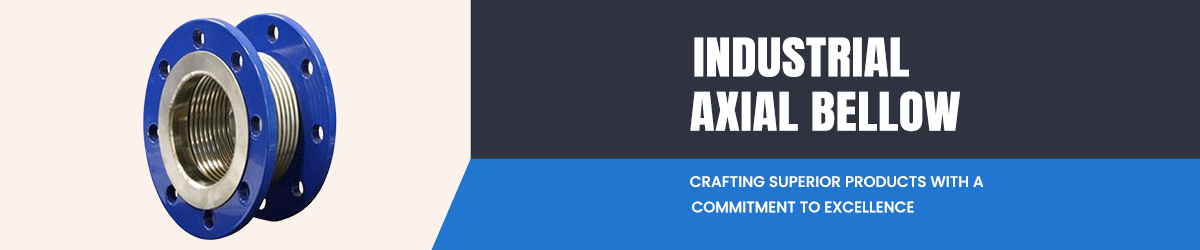
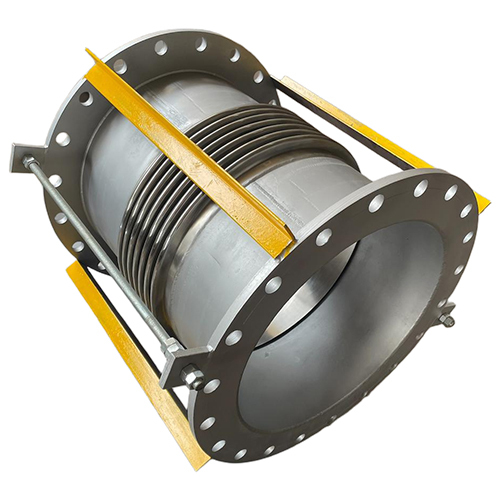
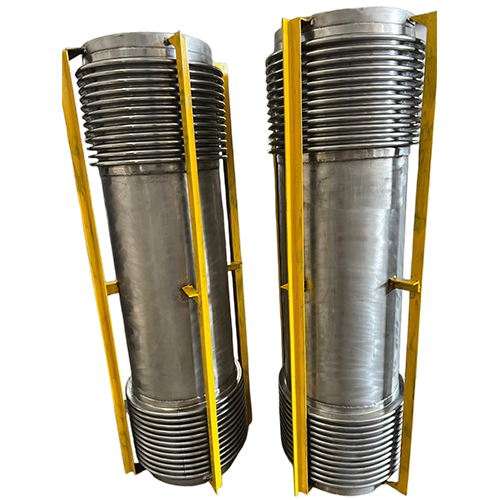
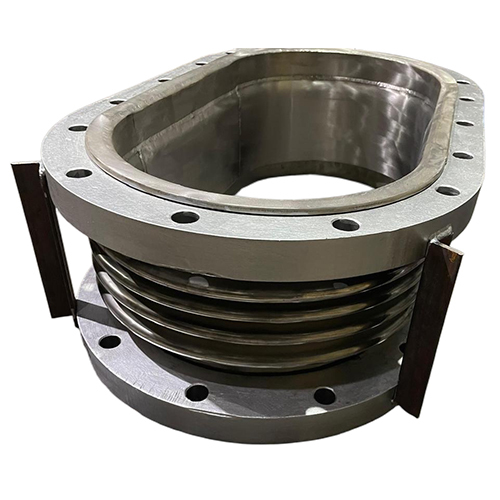
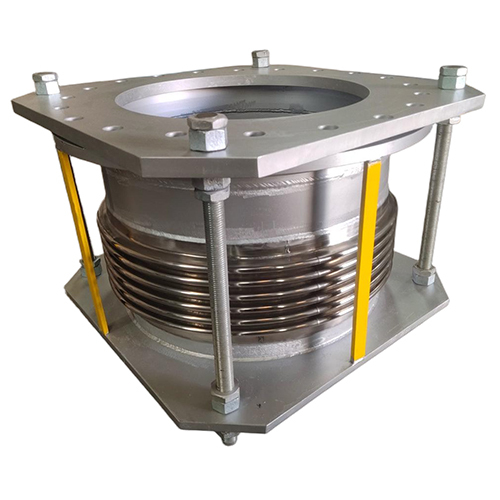
A Single Axial Expansion Bellow or Axial Expansion Joint is the simplest type of expansion joint used to absorb axial movement movement along the axis of the pipe caused by thermal expansion or contraction in piping systems
What Does a Single Axial Expansion Bellow Contain
Bellows Element
- A corrugated flexible metallic structure commonly stainless steel designed to expand or compress along the pipes axis
- Provides the flexibility required to accommodate thermal growth
End Connections
Weld Ends Flanges or Threaded Ends for attachment to the piping system
Inner Sleeve Flow Liner optional
- Installed inside the bellows to protect it from erosion turbulence or highvelocity media
Outer Cover Shroud optional
- Protective cover to safeguard the bellows from external damage and weather conditions
Tie Rods Limit Rods optional
- Rare in single axial types because they are usually unrestrained but can be added for safety or to limit overcompressionextension
Main Characteristics
- Movement Absorbed Axial only not designed for lateral or angular movement
- Unrestrained Requires strong anchors and proper guides in the piping system to control pressure thrust
- Compact Design Simple and economical for straightline thermal movement
Summary Table
Component Function
- Bellows Element Absorbs axial expansioncontraction
- End Connections Connects to pipeline
- Inner Sleeve Protects bellows from flow turbulence
- Outer Cover Shields bellows from external damage
- TieLimit Rods Optional Provides movement control or safety restraint
Robust Design for Industrial Applications
Engineered with stainless steel, this expansion bellow is tailored to withstand demanding industrial environments. Its round head design, flange fitting, and welded connection provide a secure, leak-proof assembly. The painted surface treatment enhances resistance against corrosion, prolonging equipment life, even under continual exposure to pressure and temperature variations.
Versatile Sizing and Easy Installation
Ranging from 25 NB to 500 NB, the expansion bellow accommodates a wide array of pipe diameters in industrial plants. Installation is straightforward, thanks to the flanged ends and welding connections, ensuring seamless integration into existing pipeline systems. This versatility makes it suitable for both retrofitting and new installations.
FAQ's of Single Axial Expansion Bellow:
Q: How is the Single Axial Expansion Bellow installed in pipeline systems?
A: The bellow comes with flange fittings and a welded connecting type, making it suitable for secure coupling with existing pipelines. Professional welding is recommended to ensure a tight and lasting seal in industrial applications.
Q: What processes benefit from using this expansion bellow in industrial plants?
A: This expansion bellow is ideal for absorbing axial movements and vibrations in pipelines that transport fluids or gases under varying pressure and temperature, thus protecting equipment and minimizing maintenance needs.
Q: When should I consider installing an axial expansion bellow in my plant?
A: Consider installing an axial expansion bellow when your pipeline system experiences frequent thermal expansion, vibration, or misalignment, particularly under working pressures up to 3 kgf/cm2 and temperatures up to 100C.
Q: Where can I source this product in India?
A: The Single Axial Expansion Bellow is available across India through established dealers, distributors, exporters, manufacturers, and retailers who specialize in industrial pipeline solutions.
Q: What are the key benefits of choosing stainless steel for this bellow?
A: Stainless steel offers exceptional resistance to corrosion, maintains structural integrity under pressure and temperature fluctuations, and increases the lifespan of the bellow, making it a reliable choice for harsh industrial environments.
Q: How does the surface treatment contribute to the product's durability?
A: Painting the bellow's surface adds an additional layer of protection against environmental elements, reducing the risk of rust and chemical corrosion and ensuring longevity, especially in demanding operating conditions.






 Send Inquiry


 Send Inquiry
 Send Inquiry
 Send SMS
 Call Me Free
 English
 Spanish
 French
 German
 Italian
 Chinese (Simplified)
 Japanese
 Korean
 Arabic
 Portuguese